Table of Contents
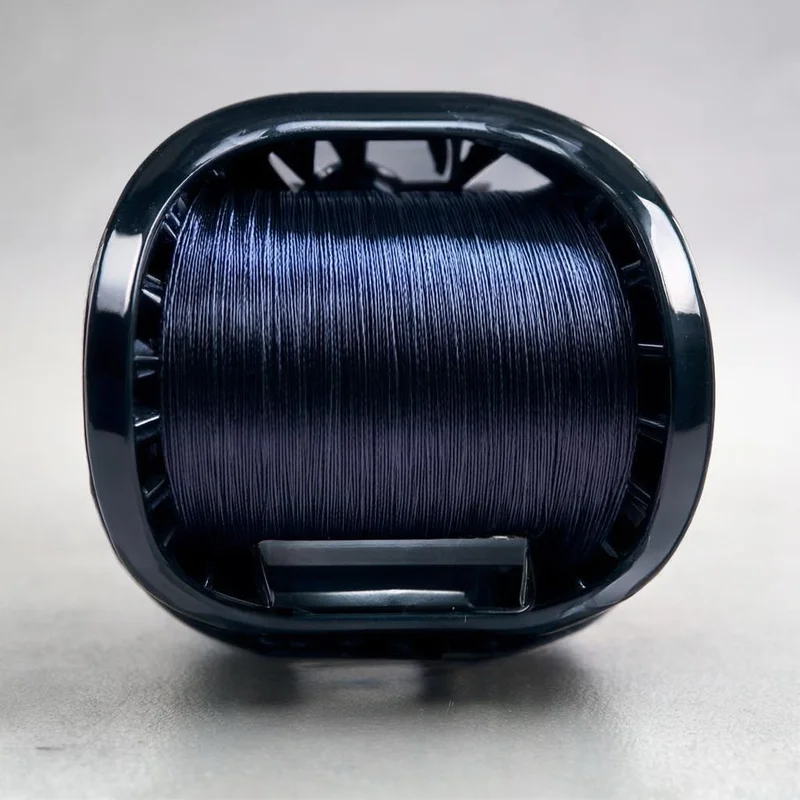
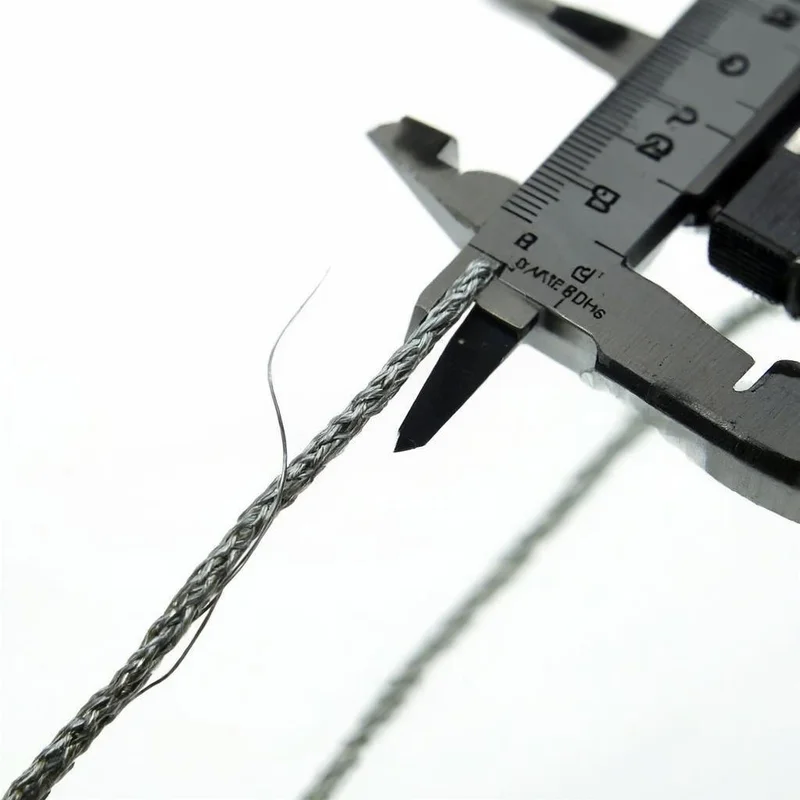
A typical PE 1.0 braid off a tackle shop shelf illustrates the confusion. The spool says "PE 1.0 , 25lb." Next to the 0.165mm diameter, that rating looks impossible: there's no way this thread holds 25 pounds.
The rating wasn't lying: the number just means something different from what it appears to mean.
PE 1.0 is the most misunderstood line rating in fishing. Some brands label it 10lb. Others say 25lb. The truth sits somewhere in the middle, and it depends almost entirely on how the line is made.
What PE 1.0 Actually Measures
PE rating measures diameter, not breaking strength. PE 1.0 equals approximately 0.165mm. That's it. The number tells you how thick the line is, period.
The confusion comes from manufacturers slapping a pound-test number next to the PE rating. A 4-strand PE 1.0 might break at 10 pounds.
An 8-strand PE 1.0 from a premium Japanese maker might hold 20 pounds. Same diameter, wildly different strength.
This is why you see PE 1.0 labeled anywhere from 8lb to 25lb. Nobody's lying. They're just measuring different constructions.
The Real PE 1.0 to LB Conversion
Here is how PE 1.0 lines compare across brands:
| Strand Count | Typical Breaking Strength | Diameter | Feels Like |
|---|---|---|---|
| 4-strand | 8-12 lb | 0.165mm | Stiff, noisy through guides |
| 8-strand | 12-18 lb | 0.165mm | Smooth, quiet, round profile |
| 12-strand | 16-22 lb | 0.165mm | Silky, expensive, casts furthest |
The jump from 4-strand to 8-strand is the biggest quality leap you'll ever feel in braided line. Spend the extra five dollars.
For reference, most Japanese manufacturers rate PE 1.0 at 14-16lb as their standard breaking strength for 8-strand braid. Budget 4-strand PE 1.0 lines often test closer to 10-12lb. The difference comes down to fiber quality and weave density.
Which Fish Species Match PE 1.0
PE 1.0 sits in a sweet spot. Thin enough for finesse, strong enough for serious fish.
| Species | Is PE 1.0 Right? | Notes |
|---|---|---|
| Trout | Overkill for brook trout, fine for steelhead | Drop to PE 0.6 for small streams |
| Bass | Perfect for largemouth | Handles 5lb+ fish in cover |
| Walleye | Ideal | Thin diameter means better drift presentation |
| Catfish | Marginal | Channel cats fine, flatheads want PE 2.0+ |
| Inshore Saltwater | Good for specs and reds | Upgrade to PE 1.5 for snook around structure |
| Light Offshore | Pushing it | PE 1.0 can handle schoolie tuna but one tail slap on braid and you'll wish you sized up |
Everything from 2lb crappie to 15lb stripers has been caught on PE 1.0. The line itself rarely fails. What fails is the knot, or the angler's patience when a big fish wraps around structure.
When PE 1.0 Is the Wrong Choice
PE 1.0 isn't magic. Here's where it lets you down:
Around heavy cover. If you're punching mats or dragging fish out of timber, step up to PE 2.0 or higher. PE 1.0 with 15lb breaking strength gives you zero margin when a 5-pounder wraps you around a log.
In abrasive environments. Rocks, barnacles, zebra mussels. PE 1.0 has very little abrasion resistance. The thin diameter cuts easily. If you're fishing sharp structure, add a fluorocarbon leader or bump to PE 1.5.
When casting heavy lures. PE 1.0 pairs best with lures under 1 ounce. Throwing a 2-ounce swimbait on PE 1.0 risks snapping on the cast. The shock load at rod tip can exceed the line's breaking strength.
Leader Pairings for PE 1.0
This matters more than the line itself. A bad leader knot with PE 1.0 is where most fish are lost.
| Leader Material | Recommended Test | Best Knot |
|---|---|---|
| Fluorocarbon | 10-15 lb | FG Knot |
| Monofilament | 8-12 lb | Double Uni |
| No Leader (straight braid) | N/A | Palomar to lure |
A 12lb fluoro leader on PE 1.0 covers the vast majority of freshwater situations. In crystal clear water with spooky fish, drop to 10lb.
Around docks with zebra mussels, bump to 15lb and accept slightly fewer bites.
The FG knot is non-negotiable here. PE 1.0 is thin enough that an Albright or Uni-to-Uni creates a noticeable bump going through guides.
The FG knot wraps the leader around the braid, creating a smooth, tapered connection that casts through micro-guides without catching.
PE 1.0 vs PE 1.5 vs PE 0.8
If you're on the fence between sizes:
PE 0.8 (0.148mm, ~10-14lb): Better for ultralight casting, clear water finesse, trout and crappie. You'll feel every tick of the bottom. You'll also break off more often.
PE 1.0 (0.165mm, ~12-20lb): The all-rounder. Handles 90% of freshwater fishing. Thin enough for spinning reels, strong enough for bass and walleye.
PE 1.5 (0.205mm, ~18-30lb): Better for heavy cover, larger fish, saltwater. You lose casting distance but gain insurance against break-offs. PE 1.5 is the pick when targeting fish over 10lb or fishing near structure.
The difference between PE 1.0 and PE 1.5 on a 2500-size spinning reel is about 20 yards of capacity. For most fishing, that's a trade worth making.

Still Confused About PE Ratings?
Check out our full PE Rating vs Pound Test Guide for a deep dive into the entire PE system. Or plug your numbers into the LineCalc Pro calculator.
Sources & Industry References
- International Game Fish Association (IGFA) , Official world record authority and fishing line standards reference
- Wired2Fish , Independent fishing gear reviews and line testing data
- Tackle Warehouse , Comprehensive fishing line specs, diameter charts, and user reviews